Fiberglass earns its premium in two situations: dark frame colors and heavy sun exposure. Outside of those, vinyl often delivers what a homeowner actually needs at a lower price. The extra cost buys structural stability, a frame that resists the expansion and contraction that loosens seals over time, which pays off on south- and west-facing elevations and on homes you plan to keep.
That distinction is the one we spend the most time on with Kansas City homeowners. After years of installing both materials across this climate, we’ve seen where each one holds up and where it doesn’t. The recommendation depends on your exposure, your color choice, and your timeline in the house, not on which product carries the higher price tag.
Are Marvin Fiberglass Windows Worth the Cost?
When comparing window materials, cost is often the first concern, but long-term performance is what ultimately determines value. According to the U.S. Department of Energy, heat gain and loss through windows accounts for 25% to 30% of residential heating and cooling energy use.
This highlights how much window performance can influence overall efficiency. The material used for the frame plays a role in maintaining seals, resisting temperature changes, and limiting energy loss over time.
Fiberglass is often considered an upgrade because of its strength and stability. It is less likely to expand, contract, or weaken under temperature stress, which helps preserve long-term performance.
Marvin Fiberglass vs. Vinyl: What Actually Changes
Both materials are common, but they behave differently once they’re in the wall. We’ve covered the full vinyl and fiberglass comparison if you want the longer version.
Strength and Structural Stability
Fiberglass windows are significantly stronger than vinyl. Marvin’s Ultrex® fiberglass is rated at eight times the strength of vinyl and three times the strength of vinyl-wood composites. That is what allows the frame to hold its shape year after year rather than gradually working loose from the seal. We carry Marvin’s fiberglass window line for exactly this reason. That rigidity also supports wider spans, which matters for bay and bow window projects where the unit carries more glass. Vinyl performs well in the right application, but it flexes more and responds more readily to temperature swings.
Heat Resistance and Performance
Temperature exposure is another major difference. Marvin’s Ultrex is rated to withstand temperatures up to 350°F without distorting. Vinyl begins to soften and warp closer to 160°F, a gap that matters on a west-facing Kansas City elevation in July. This difference becomes important in areas with strong sun exposure.
In Kansas City, where homes experience both hot summers and cold winters, this stability can directly affect performance over time.
Color Flexibility and Design Options
Color is one of the biggest decision drivers.
- Fiberglass supports darker colors without the same risk of warping
- It can also be repainted if design preferences change
- Vinyl offers limited color options, and most manufacturers advise against painting it
This makes fiberglass a stronger choice for homeowners seeking black, bronze, or other dark finishes, and it’s a major reason we recommend Marvin’s fiberglass line for dark-frame projects.
When Fiberglass Windows Are Worth the Upgrade
Fiberglass isn’t always necessary. It clearly earns the upgrade when:
- You want dark-colored window frames
- Your home has high sun exposure
- You plan to stay in the home long-term
- You want maximum durability and stability
- You want the flexibility to repaint in the future
In these cases, the added performance justifies the higher upfront cost. For lighter colors, shaded elevations, or shorter-term plans, vinyl remains a practical choice. Our breakdown of replacement window costs shows where the price difference actually lands.
Cost vs. Long-Term Value
Fiberglass windows usually come with a higher upfront cost compared to vinyl. You can see what a project typically runs before you commit to either material. However, that cost difference should be evaluated alongside long-term performance. Fiberglass generally lasts longer under demanding conditions, which changes the math on cost per year of service. There’s also the resale and return side of window replacement to factor into a long-term decision.
The key is aligning the investment with your goals. If this is your “forever home,” investing in higher-performance materials often makes more sense. If not, vinyl may still meet your needs effectively.
Why Installation Matters in Kansas City
In Kansas City, windows are exposed to both high summer heat and freezing winter temperatures, which places constant stress on the frame and surrounding structure. These conditions make installation accuracy just as important as the material itself.
If a window is not properly installed, gaps around the frame can allow air infiltration regardless of whether the unit is vinyl or fiberglass. Over time, even small inconsistencies in sealing or alignment can lead to drafts, temperature imbalance, and reduced efficiency.
Proper installation ensures the window system performs as intended by addressing key details such as:
- Precise frame alignment to prevent shifting over time
- Full insulation of the rough opening to limit heat transfer
- Continuous air sealing to reduce infiltration
- Correct flashing and moisture control
- Secure anchoring to handle seasonal expansion and contraction
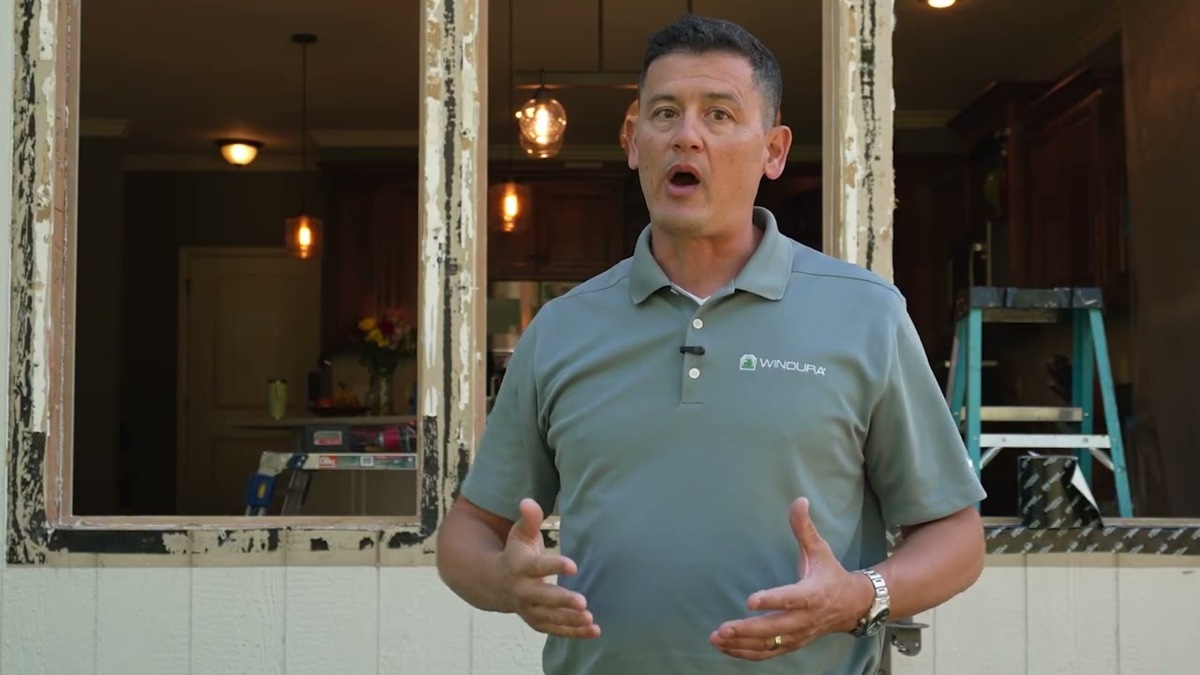
At Windura, installation is approached as part of the overall system, not just the final step. Each project is evaluated based on the home’s exposure, structure, and performance goals, and our window installation process is built around getting those details right the first time.
Get the Right Window Recommendation for Your Home
Choosing between fiberglass and vinyl isn’t about picking the most expensive option. It’s about matching the material to your home’s exposure and your plans for it.
We help homeowners evaluate their goals, their home conditions, and their long-term plans to determine whether fiberglass is the right upgrade. Windura is a Marvin dealer serving Kansas City. Schedule a consultation, and we’ll assess your home’s exposure, walk you through the Marvin fiberglass lineup alongside vinyl alternatives, and recommend what actually fits your home and budget.