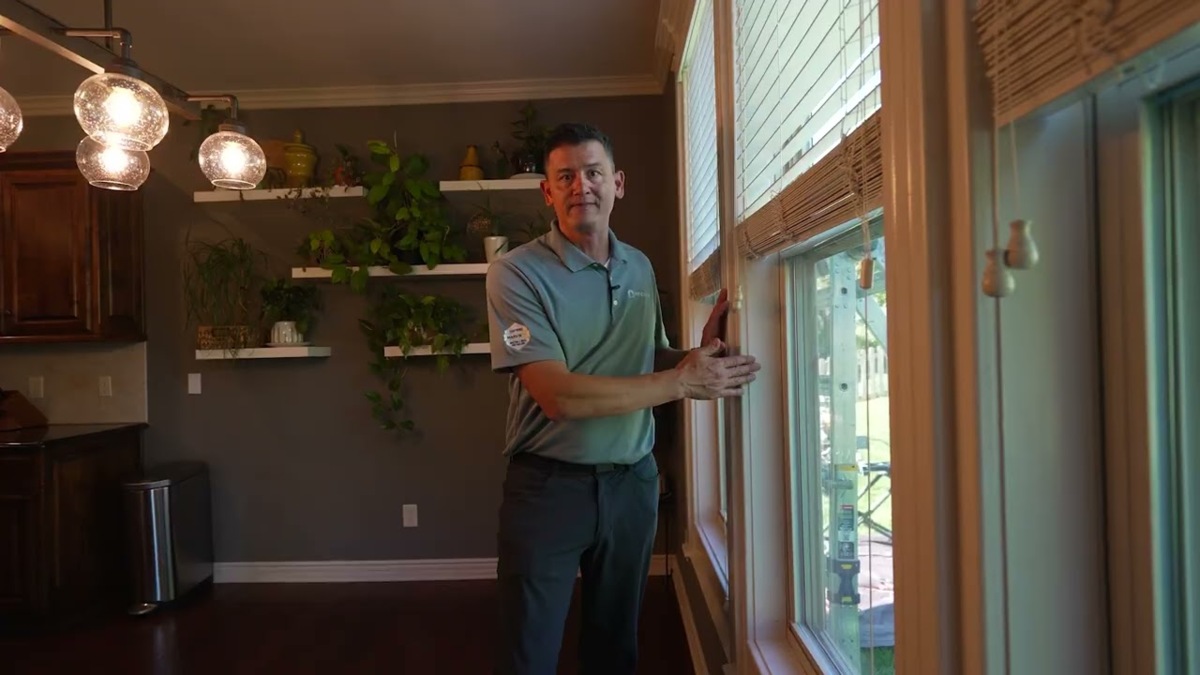
Window problems rarely start with obvious damage. Subtle changes in comfort, appearance, or performance often signal that the window system no longer works as intended. These early indicators can go unnoticed until the issue affects multiple areas of the home.
Windows play a critical role in insulation, ventilation, and overall comfort. When performance declines, the impact shows up in drafts, uneven temperatures, and visible wear. Knowing what to look for helps you determine when replacement offers a more reliable solution than continued repairs.
The 3 Most Reliable Signs It’s Time to Replace Your Windows
Most window issues fall into three clear categories. These signals provide a simple way to evaluate whether your windows still perform as they should.
- Comfort problems inside the home
- Signs of water damage on the interior or exterior
- Visible issues with the glass itself
If one or more of these appear, window performance has likely declined. Addressing the issue early helps prevent further damage and higher costs.
How Long Windows Last and Why Age Matters
Window lifespan depends on materials, installation quality, and exposure to weather. Over time, even well-built systems lose performance as seals weaken and components break down. Industry guidance shows that windows last around 15 to 40 years, depending on materials and conditions. As windows age, insulation performance declines, and air leakage becomes more common.
Older homes, especially those built before the 1980s, often include wood windows. These systems face a higher risk of rot and moisture damage, especially at corners and joints.
Older Window Systems That No Longer Meet Current Standards
Older windows often use single-pane glass or early double-pane systems that fall short of modern standards. These designs allow significant heat loss and poor temperature control, making it harder to lower KC energy bills with window upgrades.
Wear From Long-Term Exposure
Sun, moisture, and temperature changes eventually degrade frames, seals, and hardware. While age alone doesn’t always mandate replacement, the more likely a replacement will deliver a noticeable improvement. Even if older units still function, they rarely deliver the comfort or efficiency expected today; replacing them is often about optimizing your home’s thermal envelope rather than just fixing visible damage.
Sign #1: Uncomfortable Rooms and Drafts Inside the Home
Comfort often provides the first clear signal that windows no longer perform as expected. Windows act as major openings in the home, which makes them a primary source of heat loss and gain.
- Drafts Near Windows: Air movement around closed windows indicates gaps in seals or frame deterioration. This allows outdoor air to enter and indoor air to escape.
- Hot and Cold Spots: Rooms that feel too cold in winter or too warm in summer often have windows that no longer provide proper insulation.
- Higher Energy Bills: Increased heating or cooling costs may result from air loss through aging windows. This places more demand on your HVAC system.
These comfort issues often appear before visible damage. Early action can improve indoor conditions and reduce strain on your home systems.
Sign #2: Signs of Damage Inside and Outside
Physical damage is a clear indicator that your windows need attention. Identifying when to replace vs. repair rotted window frames depends on the extent of the following signs:
- Rot on window frames or corners
- Cracking, peeling, or deteriorating materials
- Water stains on walls, trim, or drywall
- Soft or weakened wood around the frame
Water intrusion is a serious concern; once moisture enters the wall, it can affect surrounding materials and lead to structural decay. Interior repairs from spreading water damage can cost significantly more than the window replacement itself, so addressing early signs is essential to preventing significant expenses.
Sign #3: Condensation Between Glass Panes
Modern windows rely on sealed glass units to maintain insulation. When that seal fails, moisture enters the space between the panes, creating a permanent fog. While temporary condensation on new windows after a shower or during high humidity is normal, moisture trapped inside the unit is not.
- Foggy or Clouded Glass: Discoloration between window panes is one of the clearest signs of seal failure, leaving a permanent foggy or hazy appearance. Seal failure compromises the insulating cavity between the panes, reducing the window’s thermal performance.
- Reduced Insulation Performance: Once the seal breaks, the window loses much of its insulating properties. Heat transfer increases, which affects comfort and efficiency.
- Glass Replacement vs. Full Replacement: In some cases, glass replacement may resolve the issue. However, seal failure can also indicate that the entire window system has reached the end of its service life.
This issue affects both performance and appearance, which makes it a strong indicator that action is required.
Outdated Window Technology and Performance Limits
Not all window issues stem from visible damage. In many homes, the problem is outdated technology that falls short of current standards. If your home struggles with drafts or high energy bills, it may be time to consider a custom Marvin Windows upgrade.
- Single-pane glass allows significant heat transfer
- Early insulated glass units offer limited efficiency
- Older frames may not seal properly against air and moisture
- Materials degrade over time, even without visible damage
Older homes, especially those built before the early 2000s, often feature single-pane or early double-pane windows. These outdated systems lack the advanced insulation and coatings found in modern replacement windows from ProVia. Upgrading to these high-performance designs provides the precision sealing and thermal efficiency that older window technologies rarely match.
Why Windura Recommends a Phased Window Replacement Approach
Window replacement does not need to happen all at once. Many homeowners start with the highest-priority areas and plan additional upgrades over time. Our approach to expert window replacement in Kansas City ensures each phase of your project is executed with precision:
- Inspection of frames, glass, and the surrounding structure
- Identification of air leaks and moisture entry points
- Recommendations based on comfort, efficiency, and condition
- Professional installation that supports long-term performance
- Targeted replacement for problem areas before full-home upgrades
Windura evaluates windows based on performance, condition, and how each area of the home feels. Our team focuses on practical solutions that address both visible issues and underlying causes.
Take Action Before Window Damage Gets Worse
Window issues rarely improve without intervention. Drafts, visible damage, and seal failure all indicate declining performance that affects comfort and efficiency.
Work with a team that understands how to evaluate these signs with clarity. At Windura, we help homeowners determine when replacement makes sense and guide them toward solutions that improve comfort, performance, and long-term value. Contact Windura today to schedule a consultation and get expert guidance on the right solution for your home.