High energy bills, uncomfortable rooms, sun-faded furniture – these problems often trace back to one source: outdated glass. That’s why Low-E Glass has gained attention among homeowners seeking genuine performance upgrades. Low-E Glass helps regulate indoor temperature without blocking natural light, making it one of the most effective upgrades in modern window technology.
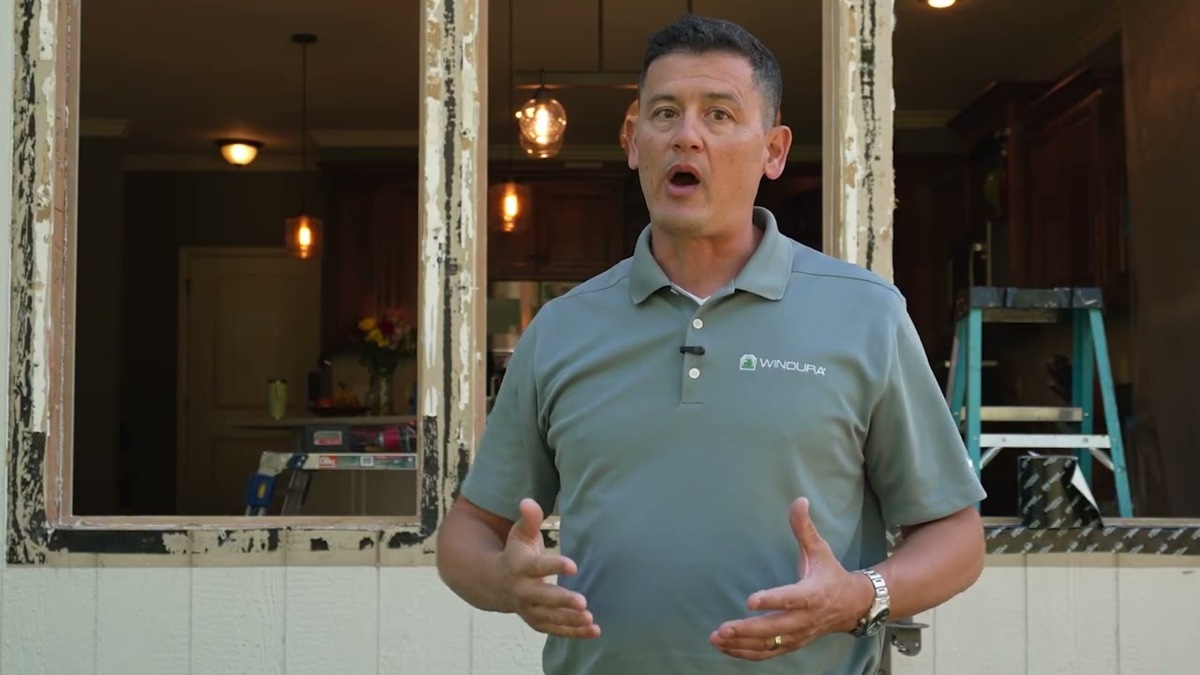
We used a 300-degree heat lamp to test Low-E glass against standard clear glass, demonstrating in real time how much heat Low-E glass can block. The results made a strong case for why more Kansas City homeowners are requesting Low-E windows for energy savings and everyday comfort.
What Is Low-E Glass and How Does It Work?
Low-E Glass (short for low emissivity) is glass coated with microscopic layers of metallic particles that reduce heat transfer through the window. These coatings allow visible light to pass through while reflecting infrared and ultraviolet rays, the kind that raise your energy bills and damage flooring or furniture. For homeowners exploring ways to improve window energy efficiency, Low-E glass is one of the most effective upgrades. Think of it as invisible insulation built directly into the glass pane.
How Low-E Coatings Block Heat & UV Rays
Most Low-E coatings are made of ultra-thin silver or metal oxide layers. While nearly invisible, these layers act as thermal shields that control radiant heat transfer. That means your home stays cooler in the summer and warmer in the winter without overworking the HVAC system, making them a smart choice for your next window upgrade. Here’s why it matters for homeowners:
- Filters up to 70% of solar heat
- Reduces UV rays that cause fading
- Maintains natural daylight
Types of Low-E Coatings: Which Is Best for Your Climate?
Choosing the right Low-E coating depends heavily on the climate. According to Energy.gov, most homes fall into two categories:
| Low-E Coating Type | Best For | Sun Protection | Winter Insulation |
| Soft Coat (Low-E2 + Low-E3) | Kansas / Missouri | Excellent | Excellent |
| Hard Coat (Low-E1) | Colder regions | Moderate | Strong |
Kansas City is in a mixed climate zone, so soft-coat Low-E Glass is typically recommended for year-round comfort.
We Put Low-E Glass to the Test: Here’s What We Found
In our video demonstration, we placed a 300°F heat lamp against standard glass and Low-E glass to measure heat transfer. A thermometer on the opposite side of each glass panel captured the temperature readings.
| Test | Temperature Behind Standard Glass | Temperature Behind Low-E Glass |
| 300°F Heat Lamp | 128°F | 92°F |
That’s a 36-degree difference and a clear indicator of how effectively Low-E technology reduces heat gain. We didn’t just talk about energy savings. We showed it in action. In Kansas City weather, that kind of performance helps prevent hot rooms in summer, drafty cold spots in winter, and rising monthly energy bills.
Real Benefits of Low-E Glass for Energy Efficiency
Not all glass performs the same when it comes to regulating temperature and protecting your home. Low-E glass goes beyond basic visibility. It actively works to control heat transfer, reduce UV exposure, and support your HVAC system throughout every season. Whether you’re dealing with hot summers or cold drafts in winter, the right glass package can make a measurable difference in comfort and energy costs. During the window installation process, we ensure the glass is sealed correctly and positioned to maximize its performance, helping you save on utility costs while maintaining consistent indoor comfort.
How It Lowers HVAC Usage
Low-E Glass slows heat transfer, helping your HVAC system work less to maintain a steady indoor temperature. When homeowners switch to Low-E Glass, they often notice:
- Fewer temperature swings
- Better humidity control
- Lower peak energy usage
Comfort You Can Feel — Hot Spots & Drafts Reduced
Rooms with large windows are often the hardest to regulate. Low-E coatings help stabilize indoor comfort by preventing heat and cold drafts from passing through the glass. This is especially important for south- and west-facing rooms, which are exposed to higher sun intensity.
Does Low-E Glass Really Lower Energy Bills?
According to Energy.gov, Low-E windows can reduce energy loss by 30–50%, depending on the climate and window style. In our video, we saw substantial heat blockage even under direct heat from the test lamp, which supports our clients’ reports of noticeable utility bill improvements within just one season.
Low-E Glass vs. Clear Glass: What Homeowners Should Know
Here’s a simple comparison based on performance:
| Feature | Clear Glass | Low-E Glass |
| Heat Transfer | High | Low |
| UV Protection | Minimal | Strong |
| Energy Savings | None | Yes |
| Cost | Lower | Slightly Higher |
| Best Use | Basic applications | Long-term comfort & savings |
Low-E windows may cost more upfront, but their performance often pays for itself within the first few years in utility savings and increased comfort.
When Should You Upgrade to Low-E Windows?
A complete window replacement isn’t always necessary, but it can be beneficial for several reasons.
- Rooms are too hot or too cold throughout the year
- Furniture or flooring is fading
- Condensation appears between panes
- HVAC runs constantly, but comfort doesn’t improve
Pro tip: If your windows are more than 15 years old, upgrading to Low-E glass may offer better savings than sealing or repairing existing windows.
Why Windura Recommends Low-E Glass for Kansas City Homes
At Windura, we evaluate Kansas City homes based on orientation, existing insulation, and window age before recommending any upgrades. We install Marvin and ProVia windows with climate-appropriate Low-E coatings because they match our region’s weather patterns. Every installation includes:
- Climate-based recommendations
- Precision measurement and sealing
- Service from Marvin and ProVia warranty experts
Not all Low-E glass is the same, and the best performance depends on the quality of installation, the local climate, and the compatibility of the frame. That’s where local expertise matters most.
Key Takeaways: What Homeowners Should Know About Low-E Glass
- The coating works like invisible insulation.
- It can reduce energy loss by up to 50%.
- Kansas City homeowners benefit most from soft-coat Low-E.
- Real-world testing shows a 36°F temperature reduction under direct heat.
- Professionally installed Low-E windows save money and boost comfort long-term.
Ready to Improve Home Comfort and Efficiency? Contact Windura Today
Upgrading to Low-E Glass windows is one of the most effective ways to improve your home’s comfort and energy efficiency, without sacrificing natural light. Our testing has yielded tangible results, and our clients often notice the difference immediately after installation.
If you’re considering replacing your windows, contact Windura today and receive expert guidance tailored to Kansas City weather and your home’s layout. Homeowners choose us for our certified Marvin and ProVia installations, warranty service expertise, and precision craftsmanship that supports long-lasting performance, not just a new window.