Many Kansas City homeowners invest in casement windows expecting better airflow, energy savings, and performance, but still notice drafty rooms and uneven heating. Often, the issue isn’t with the window itself; it’s how it’s being used.
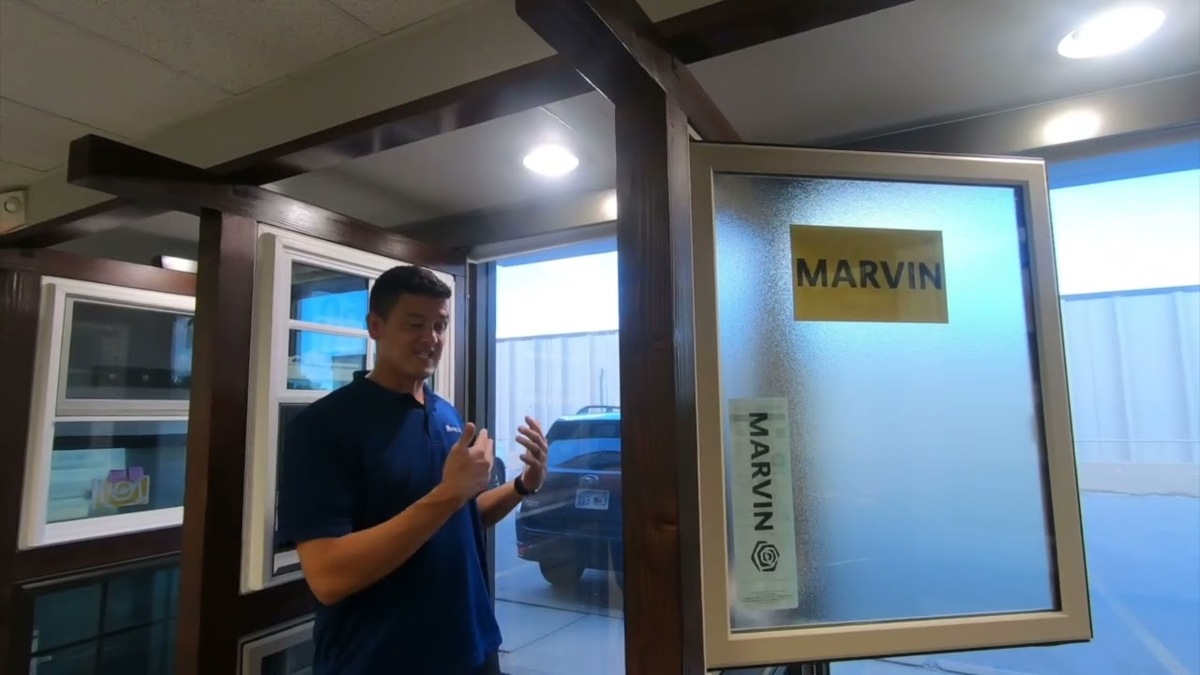
During our in-house demonstration, we showed how casement windows can appear closed but fail to seal against the frame when not fully latched. That small gap may not be visible, but it can let in enough air to make a room feel uncomfortable, especially during Kansas City’s seasonal temperature swings. This is one of the most common reasons homeowners tell us, “I just replaced my windows, but why does this room still feel drafty?”
The Mistake Most Homeowners Don’t Know They’re Making
If a casement window is cranked closed but not latched, it does not form an airtight seal. The result? A small gap between the sash and the frame allows outside air to enter and conditioned air to escape.
Hidden Air Leaks Behind Blinds & Window Treatments
Casement windows are especially likely to be left slightly open when covered by drapes or blinds. Homeowners think the window is closed, but if they can’t see the latch, they often forget to secure it fully.
Guest Rooms & Kids’ Rooms: Where Windows Are Often Left Unlatched
In low-traffic rooms, casement windows often go unchecked. We routinely find unlatching issues in guest bedrooms, children’s rooms, basement spaces, and areas with furniture blocking the window.
The Cost of a ¼-Inch Gap
A casement window that isn’t latched can leak as much air as a finger-width hole in the wall. That means your HVAC system works harder, utility costs rise, and comfort drops significantly.
Why Latching Casement Windows Matter for Energy Efficiency
Proper sealing is what sets casement windows apart from other window types. When fully closed and latched, the sash presses tightly against the weatherstripping, creating one of the best energy-efficient seals available. Crank vs. latch: what’s the difference?
- Cranking: Moves the sash toward the frame but does not lock it in place.
- Latching: Pulls the sash tight against the frame to create an airtight seal.
Both actions are necessary, but only latching completes the energy-efficient closure.
When a Casement Is “Technically Closed” But Still Not Sealed
In our demonstration, we showed how turning the crank does not provide a proper seal. The latch must be engaged for the window to perform as an energy-efficient barrier against outdoor air. If latching feels difficult, noisy, or inconsistent, it may be an installation issue rather than user error.
How to Seal Your Casement Windows Properly
Casement windows are built to be one of the most energy-efficient window styles, but they only work as intended when they’re closed and latched correctly. If a room feels drafty, follow these steps to make sure your casement window is performing the way it should.
Kansas City Climate & Why Proper Sealing Matters
Kansas City homes face humid summers and cold winters, which makes sealing windows even more important. A poorly sealed casement window can create:
- Hot upstairs rooms in July
- Drafty basement or guest rooms in January
- Higher energy bills year-round
- Added strain on HVAC systems
Using energy-efficient windows for historic homes in Kansas City requires more than selecting the right product. It also depends on proper operation and climate-appropriate installation. Selecting windows suited for our climate improves insulation, durability, and efficiency while maintaining architectural integrity.
Step-by-Step: Make Sure Your Casement Window Is Fully Sealed
Before you worry about replacing your window, start with proper operation. A fully sealed casement window should feel tight all the way around and produce an audible “click” when latched. Here’s what to do:
- Crank the sash fully toward the frame
- Push the window slightly toward the seal
- Engage the latch until it clicks
- Confirm that the sash is level and tight all around
- Do a “paper test” – try pulling a sheet of paper through the sealed edge. If it slides out easily, the window isn’t sealed.
When operated correctly, casement windows create a strong compression seal, often more effective than that of double-hung windows. A simple adjustment can instantly make your room feel warmer, quieter, and more efficient.
Signs a Casement Window Isn’t Fully Closed
Even when a casement window appears to be closed, it may not be fully sealed. Keep an eye out for the following signs that air is still getting through:
- You feel cool air near the frame
- You hear outdoor noise more than usual
- The handle feels loose or wobbly
- Condensation appears around the frame
- Blinds or curtains move when the wind hits the window
If any of these signs sound familiar, the issue may not be your window. Taking a few seconds to fully latch your casement window can improve insulation, reduce drafts, and protect your investment for the long term.
When Proper Latching Isn’t Enough (Installation Matters Too)
Sometimes the window itself is performing correctly, but the underlying installation may be holding it back. If the frame isn’t perfectly square or the sash doesn’t align evenly, the latch may not fully secure the window. That’s when precision installation becomes essential.
Windura’s Window Installation Method
At Windura, every casement window is installed with precision to ensure performance from day one. We follow a strict window installation process that eliminates drafts and maximizes long-term energy efficiency:
- Laser-level measurements
- Pressure-tested seals
- Climate-based insulation
- In-house service experts available after installation
This method ensures that every window performs exactly as engineered, with airtight seals, proper alignment, and long-term protection against drafts, noise, and energy loss. When your window is installed correctly, proper latching becomes even more effective.
Marvin & ProVia Casement Window Options
When it comes to efficiency, material and design matter. That’s why we often recommend two high-performance casement window options designed for Kansas City homes:
- Marvin Elevate Casement Window: fiberglass strength + wood interior.
- ProVia Endure Casement Window: vinyl frame + high insulation ratings.
Both options are designed to seal tightly when latched properly, making them ideal for our climate zone and for homeowners seeking comfort, efficiency, and long-term value.
Signs You May Need a Professional Evaluation
Even with proper operation, some issues require expert adjustment. If your casement window never seems to feel “fully sealed,” here’s what to look for:
- Room stays drafty after latching
- Window hardware feels misaligned
- Condensation appears around the trim
- Latch feels stiff or loose
- You’ve recently renovated, and the trim has shifted
These symptoms don’t always mean you need a replacement, but they do mean your window should be inspected. A trained installer can diagnose alignment, seal pressure, or frame movement and restore efficiency without major disruption.
Get Maximum Efficiency From Your Casement Windows
If your casement windows still feel drafty even when closed, it may not be the window at all. Sometimes, all it takes is the right latch technique. Other times, it may require a precision adjustment or professional alignment. That’s where knowledge and installation experience make a difference.
At Windura, every installation includes climate-based sealing, precision fitment, and post-installation support from Marvin and ProVia certified experts. We help Kansas City homeowners get the full efficiency they paid for and not just a window that “looks closed.” Want to make your rooms more comfortable without replacing your windows? Contact Windura today for an expert window checkup and energy-performance evaluation.