Many homeowners are surprised to see condensation on their new windows and doors, especially since their old windows never seemed to have this issue. We often hear this question: “Why do my new windows have condensation?” The answer is important because condensation on windows and doors can be completely normal, or it may signal an issue that needs attention.
The truth is this: modern, energy-efficient windows hold temperature better. They prevent warm indoor air from escaping and outdoor air from entering, which helps stabilize your comfort and reduces heating and cooling costs. But when warm, humid indoor air meets a cold glass surface, moisture forms on the glass. That’s the science behind condensation on windows and doors. So, when is condensation normal, and when is it a warning sign?
What Causes Condensation on Windows and Doors?
Condensation forms when warm, humid air meets a cooler surface. Windows and doors are especially susceptible during seasonal temperature changes, when the difference between indoor and outdoor conditions becomes more pronounced. Persistent condensation can signal declining window performance, indicating that energy-efficient replacement windows, such as ProVia vinyl windows, may be needed, particularly when existing units no longer control temperature or manage indoor moisture effectively.
1. Temperature Difference & Humidity Explained
If indoor humidity is high and outdoor temperatures drop, condensation will likely appear on the glass. This is most common:
- First thing in the morning
- After cooking or showering
- During sudden temperature drops
- When windows are tightly sealed
2. Kansas City Climate: Why It Matters
Kansas City experiences humid summers and cold winters, which lead to rapid temperature swings. Homes with fresh insulation and high-efficiency windows may experience more condensation during seasonal transitions, but this does not always signal a problem. Keeping indoor humidity between 30% and 40% during the heating season helps reduce window condensation, especially in colder climates. In many cases, condensation simply shows that your glass is reacting properly to humidity, not failing.
Why Should You Worry About Condensation?
Condensation can tell you a lot about how effectively your windows regulate temperature and moisture. Brief condensation during seasonal changes is often normal. However, moisture buildup in unexpected areas can indicate poor insulation performance, impacting comfort, energy efficiency, and long-term durability. Possible risks include:
- Mold growth on sills, trim, or drywall
- Wood rot around frames and interior casing
- Poor indoor air quality (especially with high humidity)
- Damaged flooring or paint from pooling water
- Window seal failure when fog is stuck between panes
- Decreased energy efficiency if insulation is compromised
Window construction plays a significant role in how condensation is managed. ProVia Endure™ windows feature internal graphite foam insulation for superior thermal performance in extreme temperatures. Meanwhile, ProVia Aspect windows use the same durable SunShield® vinyl but lack the foam layer, making them efficient but less insulated than Endure. These differences can influence how effectively windows resist temperature swings and control condensation inside the home.
When Condensation Is Normal on New Windows and Doors
There’s a common misconception that condensation means a window is leaking or failing. In reality, condensation after replacement windows can be a sign that your new glass and weatherstripping are working properly. Older windows leaked air, so moisture often escaped before it could land on the glass. Normal condensation often appears:
- When indoor humidity is high
- In bathrooms, kitchens, or laundry rooms
- During early mornings
- After major weather changes
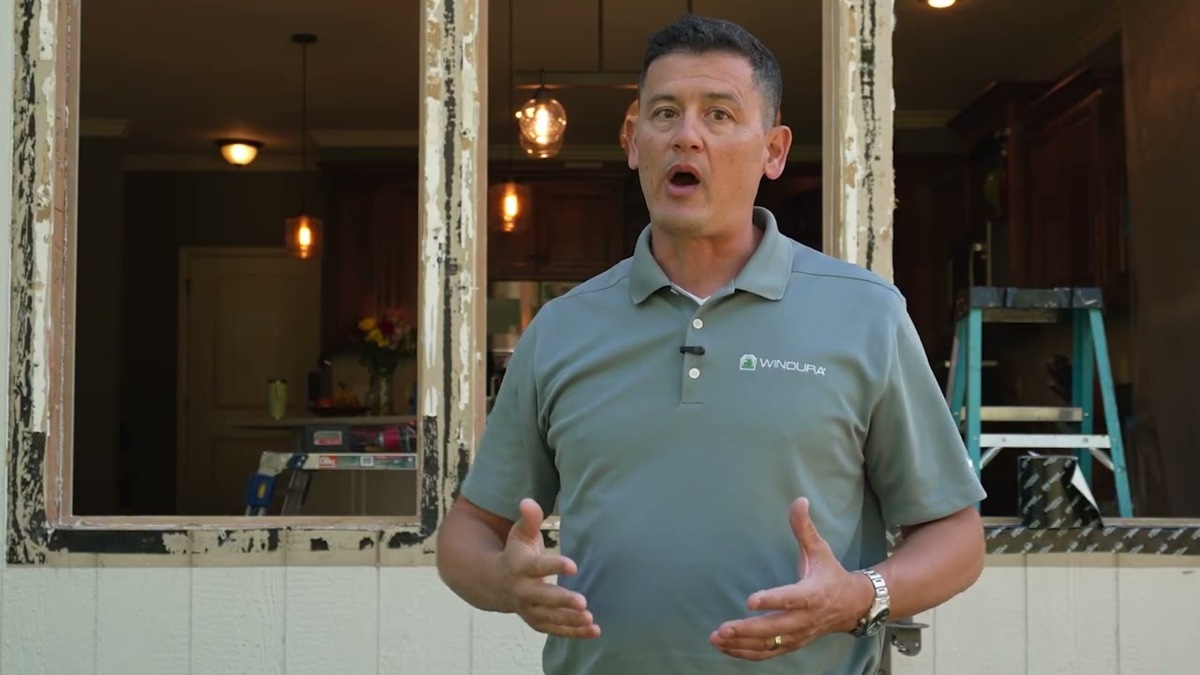
In our video, we compared condensation on windows to a cold soda bottle taken out of the fridge. The bottle isn’t leaking; it’s simply reacting to a temperature change. When the glass surface is cooler than the surrounding air temperature, moisture will collect. In many cases, this reaction reflects one of the benefits of new ProVia windows: tighter seals, improved insulation, and better overall energy performance.
When Condensation Might Be a Problem
Not all moisture is harmless. Certain signs indicate that condensation may be caused by an issue, not just climate conditions. Red flags that may indicate a bigger issue
- Condensation that stays for hours or days
- Water pooling on window sills
- Fog between the panes of glass (not wipeable)
- Mold or musty odor around trim
- Drafts or cold spots near the window
If condensation appears inside the glass panes (between them), that usually signals a seal failure, and the window may need to be replaced under warranty. Excessive, persistent moisture may also indicate a ventilation issue or incorrect installation.
Why New Windows or Doors Show More Condensation Than Old Ones
This is one of the most common questions Kansas City homeowners ask us, and it might seem surprising at first. But there’s a simple reason:
- Old windows leaked air while new windows hold temperature tightly.
- That means moisture has nowhere to escape when humidity rises indoors.
New replacement windows and doors are designed for efficiency, so they may show condensation when older windows never did. However, that’s often a sign that your HVAC system is working more efficiently, and your home is retaining internal temperature more effectively. Condensation alone does not mean a window is failing. What matters is location, duration, and frequency.
How to Fix & Prevent Condensation
Moisture on glass may seem harmless, but over time, it can reduce the lifespan of your windows and affect your home’s comfort. That’s why it’s smart to act early when solutions are still simple and affordable.
- Adjust Indoor Humidity & HVAC Usage
- Use bath & kitchen exhaust fans
- Maintain indoor humidity between 30–50%
- Consider a whole-home dehumidifier if needed
- Keep window blinds open during temperature swings
- Increase Ventilation
- Crack windows briefly in high-humidity rooms
- Run ceiling or box fans to circulate air
- Check for blocked air registers or vents
- When to Call a Window Expert
- Fog appears between glass panes
- Moisture pools on sills
- Rooms feel drafty or unbalanced
- Condensation is worse after a recent installation
Windura’s certified installers can evaluate your window’s seal, insulation, and air balance to determine whether condensation is normal or a sign of a deeper issue.
Key Takeaways: Window and Door Condensation
- Condensation on windows and doors is not always a sign of failure.
- New windows may show more condensation than old ones.
- Kansas City’s climate plays a major role in glass performance.
- Persistent fog or moisture between panes can signal a seal failure.
- Healthy ventilation and humidity control can prevent most issues.
- Energy-efficient windows help regulate comfort, but must be operated correctly.
Window and Door Condensation Concerns? Windura Can Help
Condensation on windows and doors can tell you a lot about your home’s temperature balance, but it doesn’t always mean something is wrong. When the glass reacts to humidity changes, it may simply be performing efficiently. But when moisture lingers, appears between panes, or impacts your comfort, it’s worth identifying the source.
That’s where our team can help. As Kansas City window installation experts, we evaluate your home’s climate conditions, humidity levels, and window construction to determine whether condensation is normal or a signal that repair or replacement is needed. Our certified installers for Marvin and ProVia provide full support, including seal inspection and warranty service. Have questions about condensation after replacement windows? Contact Windura today for a professional evaluation and climate-based recommendations built for your home.